Are Mr Goodbars Gluten Free . Amount of calories in mr. This one is a little tricky. Gluten and Dairyfree Whatchamacallits Fork and Beans from forkandbeans.wordpress.com When a company executive said, “that’s a good bar,” mr. * the % daily value (dv) tells you how much a nutrient in a serving of food contributes to a daily diet. For a serving size of 1 bar (1.75 oz) ( 49 g) how many calories are in mr.
Why Neutrals And Grounds Are Separated In A Subpanel
Why Neutrals And Grounds Are Separated In A Subpanel. Because when we bond them together, it gives your neutral wire (the one carrying electrical currents back to the source) multiple pathways. The transformer then forces the other conductors to be the appropriate distance (120v) from earth.
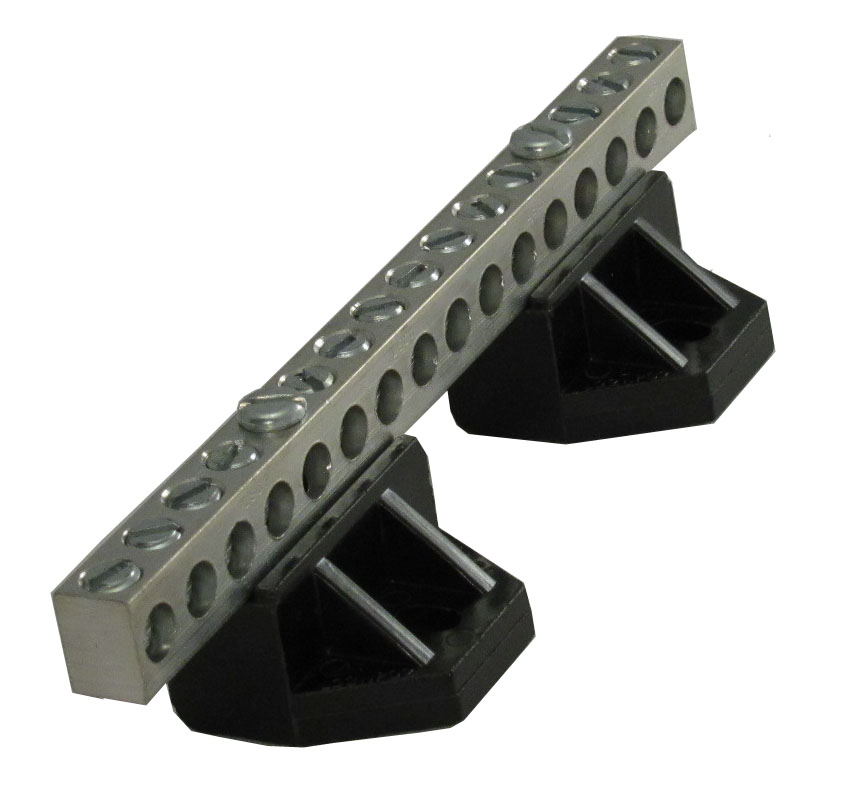
Adding Neutral Bus Bar Tyres2c from tyres2c.com
If the neutral and grounding wires are connected together anywhere. As greg has pointed out having the grounds and neutrals connected at a sub panel can in layman’s terms energize all the metal items that are connected to that sub panel. If we have a neutral with a load that has a much higher impedance than an egc with no load.
With Ground And Neutral Bonded, Current Can Travel On Both Ground And Neutral Back To The Main Panel.
Normally, if the load is perfectly balanced, there is zero. We dont bond neutrals and grounds together because we need a low impedance path back to the panel. The ground rods attached to the main panel are enough to take care of any voltage surge.
If The Neutral And Grounding Wires Are Connected Together Anywhere.
The egc in feeders is to provide that path back to the main panel instead of using the. Up until the 2008 version of the national electric code, there were two ways to wire a subpanel. The ground would carry current and that would become dangerous for personel.
The Sub Panel Must Absolutely Have Ground Back To The Main Panel, And It Must Be Appropriately Sized For The Current Rating Of The Panel (As In, It's The Same As Or Larger Size Than The Hot/Neutral Wiring).
Grounds and neutrals were isolated to provide separate paths back to the panel. The neutral and ground are only allowed to be connected at one point in the system. In a typical electrical installation, the hot wires (carrying current) are run through a series of switches and outlets before returning to the service panel.
Two Hots, A Neutral, And A Ground.
First, the current on the neutral is at 0 volts to ground (remember, voltage is measured between 2 points). If you separate a neutral and then put your meter across it you will read full line voltage. This is regardless of being in the same structure or not.
Two Hots And A Neutral, With Grounds And Neutrals Connected Together At The Subpanel.
At the top of the panel, the two bars are joined together by a single bar, the subpanel neutral, and also a green screw (see top left) that grounds the panel too. Should neutrals and grounds be separated? So, why do you separate the ground and neutral in a subpanel?


Comments
Post a Comment